
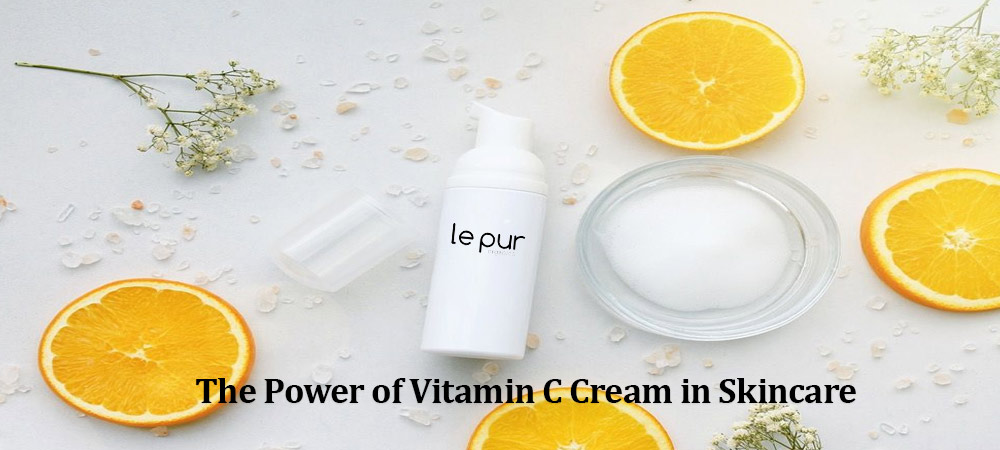
Vitamin C is one of the most celebrated and widely used skincare components. Vitamin C has become a mainstay in many people’s skincare regimes thanks to its powerful antioxidant capabilities and demonstrated ability to treat a wide range of skin issues. The topical effects of vitamin C creams have made them a popular form of vitamin. In this piece, we’ll discuss vitamin C cream’s cosmetic use and the research behind its efficacy.
The Benefits of Vitamin C Cream in Skincare
Antioxidant Protection:
Vitamin C’s tremendous antioxidant capabilities have made it famous. Free radicals and unstable chemicals destroy skin cells and speed up aging. Therefore, antioxidants are crucial in skincare. When applied topically, vitamin C cream defends against and lessens oxidative stress brought on by factors like pollution, ultraviolet radiation, and even blue light from electronic devices.

Brightening and Even Skin Tone:
The capacity of vitamin C cream for Skin Whitening and even out skin tone is one of its most sought-after benefits. Vitamin C disrupts the synthesis of melanin, the skin-coloring pigment. Over time, this interference will help you get a more luminous and homogeneous complexion by reducing the appearance of hyperpigmentation, dark spots, and acne scars.
Collagen Production:
This protein is responsible for the firmness and suppleness of the skin. Wrinkles and fine lines are a natural result of declining collagen production that occurs with age. Vitamin C, which stimulates the formation of collagen molecules, greatly aids collagen synthesis. Vitamin C cream, when used consistently, can help support skin elasticity, resulting in more toned and firm skin.
Wound Healing:
Vitamin C is Essential! When applied topically, it accelerates the regeneration of damaged skin cells and the repair of scars and other skin imperfections. For this reason, Vitamin C cream helps treat acne and post-inflammatory hyperpigmentation as part of a comprehensive skincare regimen.
Sun Protection Enhancement:
Vitamin C is not a substitute for sunscreen, but it can increase the latter’s effectiveness. Vitamin C is a potent antioxidant, and it works even better when used with sunscreen to protect the skin from the sun’s harmful rays. Antioxidant qualities help minimize sunburn and photoaging risks from exposure to UV radiation.

How Vitamin C Cream Works:
Vitamin C cream for Skin Whitening is effective because it can permeate the skin and have a healing effect. This is how it functions:
Absorption and Penetration:
The stratum corneum, the outermost layer of skin, is a protective barrier against the absorption of harmful chemicals. To be effective, vitamin C, especially in the form of L-ascorbic acid, must penetrate these layers of the skin. Vitamin C creams are typically formulated with smaller molecules and additives that increase penetration, allowing for excellent absorption.
Stimulation of Collagen Synthesis:
Vitamin C cream in Pakistan, stimulates collagen synthesis upon absorption by serving as a co-factor for enzymes that create collagen molecules. This is a must to keep looking young and have robust and elastic skin.
Antioxidant Defense:
Vitamin C’s antioxidant qualities are beneficial against the free radicals produced in response to environmental stressors such as ultraviolet radiation (UVR), air pollution, and chemical vapors. It does this by giving up electrons to help neutralize the toxic chemicals and slow down or stop the oxidative damage that causes premature aging.
Slowed Down Melanin Production
Vitamin C cream for Skin Whitening inhibits the enzyme responsible for melanin synthesis. As a result, hyperpigmentation fades, and skin tone becomes more uniform and healthy.
Wound Healing and Repair:
Vitamin C helps wounds heal by increasing the number of repair cells called fibroblasts. Vitamin C aids wound healing and reduces scarring by stimulating the growth of new skin cells.
Incorporating Vitamin C Cream into Your Skincare Routine
Follow these guidelines when using le Pur Orgaincs Vitamin C cream on your face:
- Try to get Vitamin C creams with an L-ascorbic acid content of 10%–20%. Some people, especially those with more sensitive skin, may experience irritation at higher concentrations.
- Vitamin C is an excellent complement to sunscreen but is not a replacement. Sunscreen should be the last thing you do before heading outside every day.
- Maintaining a steady routine is crucial if you want to see tangible improvements. Implement Vitamin C cream daily or as directed by the manufacturer.
- Applying Vitamin C lotion to your face without testing it on a tiny skin area for responses and sensitivities is terrible.
- Exposure to air and light can easily degrade vitamin C. Thus, proper storage and packaging are essential. Pick items packaged in opaque, sealed containers to prevent Vitamin C from spoiling.
In conclusion, Vitamin C cream’s efficacy in skincare is supported by evidence and has numerous advantages. Vitamin C cream has many uses in skin care, including antioxidant protection, collagen formation, brightening effects, and wound healing. In the pursuit of glowing, healthy skin, its capacity to permeate the skin and affect numerous biological processes makes it a powerful instrument. Individual outcomes may vary depending on skin type and concerns, so it’s crucial to experiment with different formulations and concentrations to find what works best for you.
FAQs About Vitamin C Cream in Skincare:
1. What is Vitamin C cream, and how does it differ from other forms of Vitamin C in skincare?
Vitamin C cream is an antioxidant-rich topical skincare product created with Vitamin C. Vitamin C cream is a thicker, more emollient formulation than serums or oils commonly used for focused treatment. Creams often include extra hydrating substances to further aid in delivering Vitamin C’s advantages to the skin. Those looking for a multifaceted skincare regimen will appreciate that vitamin C cream provides the dual benefits of hydration and antioxidant defense.
Can I use a Vitamin C cream instead of sunscreen?
Although vitamin C cream helps prevent sunburn, it is not a suitable substitute for sunscreen. Sunscreens have been developed to act as a physical barrier, blocking or absorbing UV rays and protecting the skin from their damaging effects. Vitamin C lotion boosts the efficacy of sunscreen by eliminating free radicals caused by UV exposure, but it cannot replace the use of sunscreen. It is recommended to apply vitamin C lotion and sunscreen for maximum protection from the sun. To get the most out of your sunscreen, use vitamin C lotion first thing in the morning.
Can people with sensitive skin use vitamin C cream?
Even those with sensitive skin can benefit from using a vitamin C cream in Pakistan, but only if they choose wisely and perform a patch test first. Using a Vitamin C cream with a lower L-ascorbic acid concentration (about 10%) is best if you have sensitive skin. In addition, your skin needs time to adjust to the use of Vitamin C lotion; therefore, do so gradually. Before putting a new skincare product on your face, it’s a good idea to perform a patch test on a tiny area of skin to ensure it reacts well. Stop using it and see a dermatologist for specific advice if any reactions occur.